
"coffee plant species"
8000 article(s) found

Planting conditions and Regional Distribution of Coffee trees species of Coffee trees planting altitude
Professional coffee knowledge exchange more coffee bean information Please pay attention to the coffee workshop (Wechat official account cafe_style) Coffee planting and geographical distribution climate is the decisive factor in coffee cultivation, coffee trees are only suitable for growing in the tropics or subtropics, so the zone between 25 degrees south and north latitude is generally called coffee belt or coffee area. However, not all the land located in this area

Boutique Coffee explains in detail the three native species of coffee
There are about 40 species of coffee plants, but only one can produce coffee beans of commercial value. Arabica, Robusta and Liberia are known as the three major native species of coffee: Arabica species are native to the Ethiopian plateau. Arabica coffee accounts for 75%, 80% of all coffee varieties, and its excellent flavor and aroma make it these.
Learn about the three native species of coffee
Coffee belongs to the evergreen shrub of the genus Coffea of Rubiaceae, which is centered in the tropics. There are about 6000 species of Rubiaceae plants in this area. Coffee has always been considered to have certain effects, such as invigorating the stomach, waking up the brain, stopping bleeding, dissipating heat, strengthening the body and so on. The more famous Rubiaceae plant is Gardenia jasminoides, whose fruit was dried and used as medicinal material a long time ago.

Planting Environment of Coffee species in Colombia
Species Morphology Editing Colombian Coffee Plant Morphology Colombian Coffee Plant Morphology (10 pieces) Colombian coffee is mainly small grain coffee. Plants are small trees or large shrubs, 5-8 m tall, usually much branched at base; old branches gray-white, nodes dilated, young branches glabrous, compressed. Leaves thinly leathery, ovate-lanceolate or lanceolate, 6-14 cm long, 3.5-5 cm wide, apex

The most classic iron pickup fine coffee beans cultivation geographical location climate altitude profile
Coffee fruits take longer to develop. Coffee arabica fruit ripens in 810 months, usually in December of the year. Rainfall has a great influence on fruit development, and climate conditions directly affect fruit development of Arabica coffee berries. Typica and Bourbon are the two classic high-quality coffee varieties. In 1991, they were re-cultivated.

A brief introduction to the description of the flavor, taste and aroma characteristics of high-quality coffee beans with excellent performance.
Due to the unique geographical environment and climatic conditions, Yunnan coffee has formed a unique flavor of strong but not bitter, fragrant but not strong, with a little fruit flavor. World-class coffee experts evaluate it as a good coffee in the world, and its cultivation techniques and per unit yield are also world-class. Yunnan coffee is a variant of the Arabian original species, which is generally called Yunnan small-grain coffee after long-term cultivation and domestication.

Fine coffee varieties Arabica species and Robusta species
As a crop, tree species and planting environment are the basic factors for the good circulation of coffee beans. At present, the coffee beans in circulation in the coffee market are Arabica (Coffea Arabica) or Robusta (Coffea Robusta). Generally speaking, Arabica coffee trees have fragile vitality, low resistance to diseases and insect pests, and high requirements for planting environment.
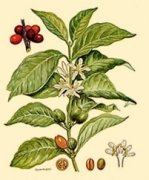
There are about 60 species of coffee plants in the world.
There are about 60 species of coffee in the world, of which only 25 species are cultivated to make coffee, of which only 4 species are used as commercial coffee: large fruit coffee (Coffea liberica), medium fruit coffee (Coffea canephora), small fruit coffee (Coffea arabica) and high yield coffee (Coffea dewevrei). These are botanical names. Coffee in the world at present
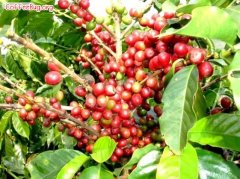
The basics of coffee beans the three native species of coffee
Coffee belongs to the evergreen shrub of the genus Rubiaceae, which is centered in the tropics. There are about 6000 species of Rubiaceae belonging to 500 genera. Coffee has always been thought to have certain effects, such as strengthening the stomach, waking up the brain, stopping bleeding, dissipating heat, strengthening the body, and so on. The more famous Rubiaceae plant is Gardenia jasminoides, whose fruit was dried and used as medicinal material a long time ago. The three native species of coffee
Coffee botany
There are more than 60 kinds of coffee, but there are roughly two varieties of coffee grown commercially on a large scale, one is Arabica, accounting for about 70 percent of the world's coffee planting area, and the other is Robasta, accounting for about 30 percent of the world's coffee planting area. According to our national standards, the classification of coffee is mainly divided into the following five varieties. 1. Small seed coffee, that is, Arabian species. Originated in Ethiopia

A brief introduction to the Origin, Development, History and Culture of Iron Card Fine Coffee beans with slightly fruity Flavor
Small grain coffee is suitable for growing in the mountains at an altitude of 8001800 meters. If the altitude is too high, it will taste sour, and if it is too low, it will taste bitter. Small grains of coffee are mostly planted in dry and hot valleys about 1100 meters above sea level, so they are moderately sour, rich and mellow. There is a unique environment suitable for the growth of small seed coffee in many areas of Yunnan, and the quality of small seed coffee is excellent. The planting area is mainly distributed in the

The characteristics of Yellow Bourbon Coffee A brief introduction to the planting Environment of Queen's Manor in Brazil
The Bourbon species, native to the Indian Ocean island of Bourbon (now known as R é union Island), is the second species caused by the Typica mutation. It belongs to the oldest existing coffee variety with the green fruit showing bright red when ripe, while the bourbon species is hybridized with other varieties. Because of its low output
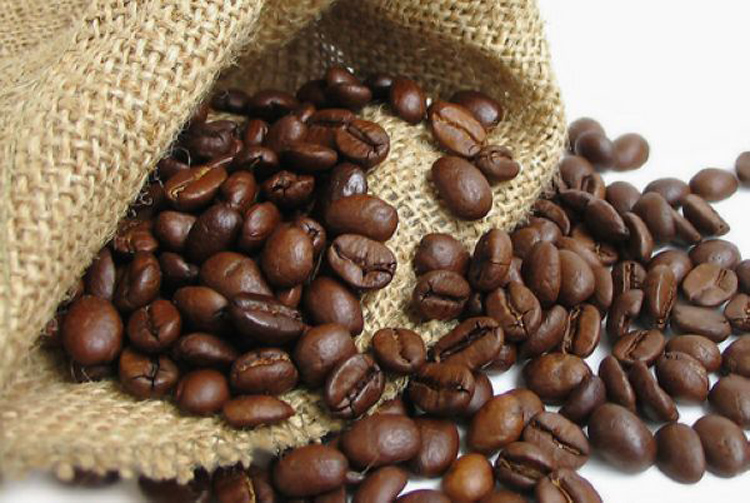
Is Saint Roman in Tarazu, Costa Rica, a Robsta species or an Arabica species? Coffee
Global coffee bean tree species are mainly divided into: Arabica and Canephora, of which Arabica coffee beans account for more than 100 coffee varieties of 70%80%coffee. The more common coffee varieties are: Arabica Arabica, with outstanding personality and unique flavor, is the main force of boutique coffee, mainly used in coffee shop management and high-end coffee market supply; Robsta

Coffee tips: what is the price of Arabica coffee beans in coffee producing areas
Professional coffee knowledge exchange more coffee bean information please follow the coffee workshop (Wechat official account cafe_style) Arabica _ Arabica coffee beans and Robusta coffee beans are made by roasting the seeds of the fruits of this plant. Coffee trees belong to the genus Coffea of the family Rubiaceae, a dicotyledonous family of angiosperms. There are about 70 species of coffee plants, of which two are
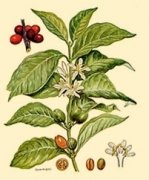
Coffee beans. There are about 60 species of coffee plants in the world.
There are about 60 species of coffee in the world, of which only 25 species are cultivated to make coffee, of which only 4 species are used as commercial coffee: large fruit coffee (Coffea liberica), medium fruit coffee (Coffea canephora), small fruit coffee (Coffea arabica) and high yield coffee (Coffea dewevrei). These are botanical names. Coffee in the world at present

A detailed explanation of the coffee term Arabica species
Arabica species (coffee arabica): together with Robsta species and Leiberia species, they are called the three primary species of coffee. Native farming is Ethiopia. It has the best quality among the three original species. It is mainly planted in the highlands.

Is Katim the truth hidden by Arabica or Robusta Katim and Arabica?
Professional coffee knowledge exchange more coffee bean information please follow the coffee workshop (Wechat official account cafe_style) Qianjie-Yunnan Coffee introduction Coffee Tree is a flowering plant of the coffee genus Rubiaceae, with a figure ranging from small shrubs to 18-meter-tall trees. Wild coffee species grow irregularly in the tropics, and new species are still being discovered.
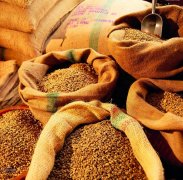
Knowledge about coffee botany
According to the botanical description of coffee: coffee is Rubiaceae, coffee genus, perennial evergreen shrubs or small trees. There are more than 60 types of coffee classified, but there are roughly two varieties of coffee grown commercially on a large scale, one is Arabica, accounting for about 70 percent of the world's coffee planting area, and the other is Robasta, accounting for about 30 percent of the world's coffee planting area. According to our country

The basic knowledge of Coffee beans Coffee beans are the three native species of coffee
Coffee belongs to the evergreen shrub of the genus Rubiaceae, which is centered in the tropics. There are about 6000 species of Rubiaceae belonging to 500 genera. Coffee has always been thought to have certain effects, such as strengthening the stomach, waking up the brain, stopping bleeding, dissipating heat, strengthening the body, and so on. The more famous Rubiaceae plant is Gardenia jasminoides, whose fruit was dried and used as medicinal material a long time ago. The three native species of coffee